The Real Technique Behind Men's Esthe's Famous 'Leg Wrap' Move
A look at the technical side of the 'leg wrap' technique some men's esthe therapists use — core strength, weight distribution, and oil management — plus a caution against reading too much into it.
What was updated
Published the technical side of the leg-wrap technique and a caution against over-reading it.
What this article covers
One technique that comes up often in discussions of men's esthe is a "leg wrap" move, where the therapist uses her legs to apply pressure while working on the client. This article covers:
- The physically demanding technical side of the move
- The fine-tuned weight distribution it requires
- How the amount of oil on the skin affects difficulty
- Why it's best not to read too much into being given this technique
This article includes editorial opinion
What follows isn't based on an industry-wide survey — it reflects things the editorial team has heard, and it won't apply to every salon or therapist.
Short answer: it's a demanding technique, not necessarily a sign of special treatment
Some salons and therapists reportedly include this move as one of several techniques in their repertoire. Clients sometimes feel like they've been given something unusual, but from a therapist's perspective it's said to be treated as just one demanding technique among several — not necessarily a signal that a particular client has been singled out.
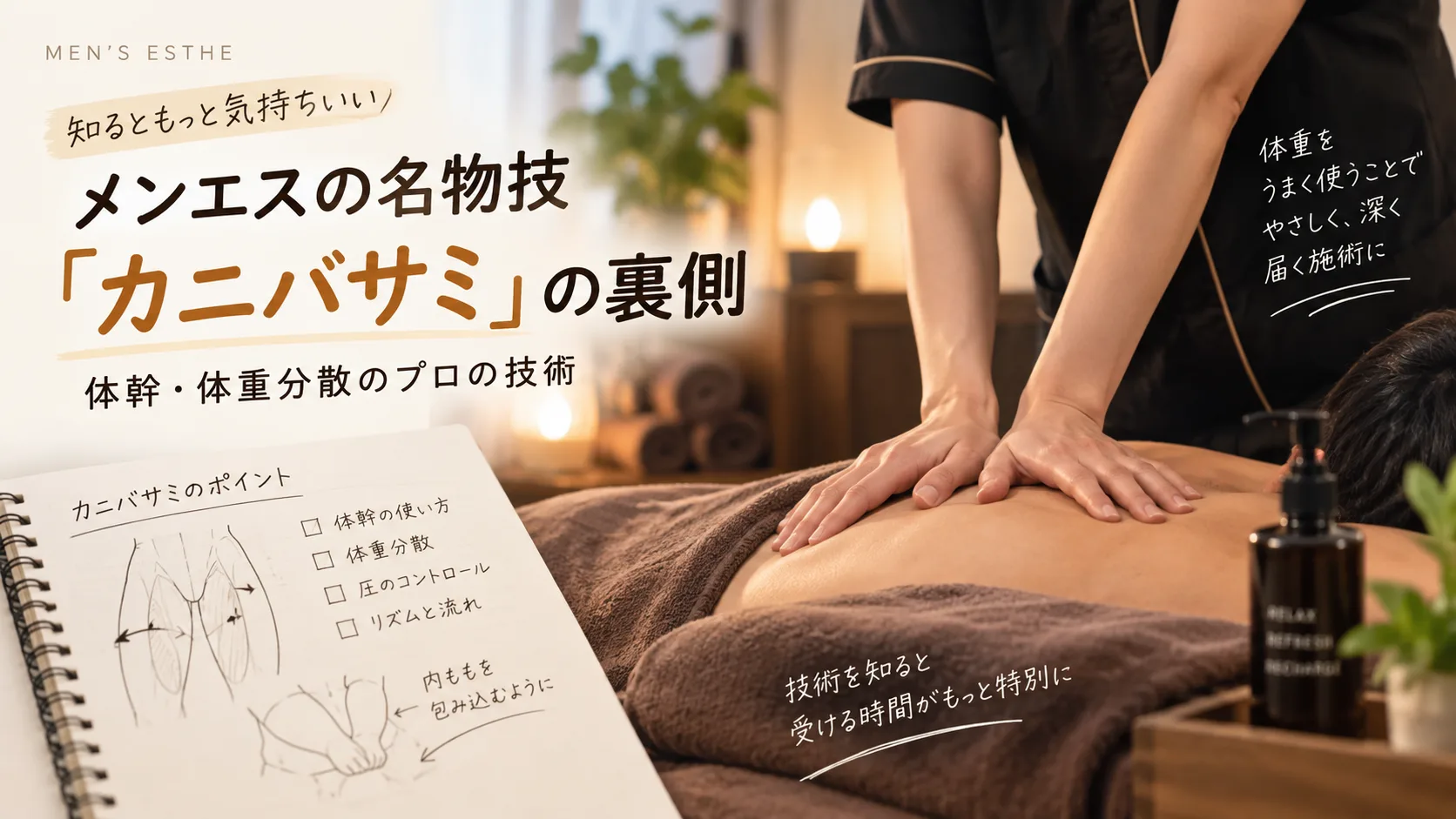
More core and leg strength than it looks
The move is said to require real core and inner-thigh strength to hold the position steady. Maintaining that posture while adjusting to a client's body size and weight is reportedly more physically demanding than it looks from the outside.
The fine balance of not leaning in too much weight
One of the harder parts of this technique is said to be weight distribution. More experienced therapists reportedly adjust knee position and where they rest their weight so the pressure feels substantial without actually putting much of their body weight onto the client. Less experienced execution is said to sometimes just feel heavy instead.
Oil levels change the difficulty
By the later part of a session, the skin is often covered in oil, which can make it hard to get a secure grip with the legs. Some therapists are said to lightly towel off the oil around their legs before attempting the move for exactly this reason.
A caution against reading too much into it
Some clients reportedly interpret being given this technique as a sign they're particularly well-liked. In practice, though, it's often just part of how a session is structured, not something reserved for specific clients.
This is the same idea covered in our guide on gift-giving at men's esthe — not expecting something in return. Reading too much into a single moment during treatment tends to work out better for everyone if you don't over-interpret it.
Frequently asked questions
Do all salons offer this technique?
It varies by salon and therapist — many don't include it at all. Check a salon's own course descriptions if you're curious.
Can I ask a therapist not to do this?
In most cases, mentioning that you'd rather skip a specific technique is something therapists can accommodate. There's no need to hesitate about saying so.
What if the pressure feels too strong?
Simply say so at the time — asking for it to be lighter is a normal request. How it feels varies a lot by body type and weight.
Related English guides
- Is there real massage skill at men's esthe? An intermediate guide to choosing by technique
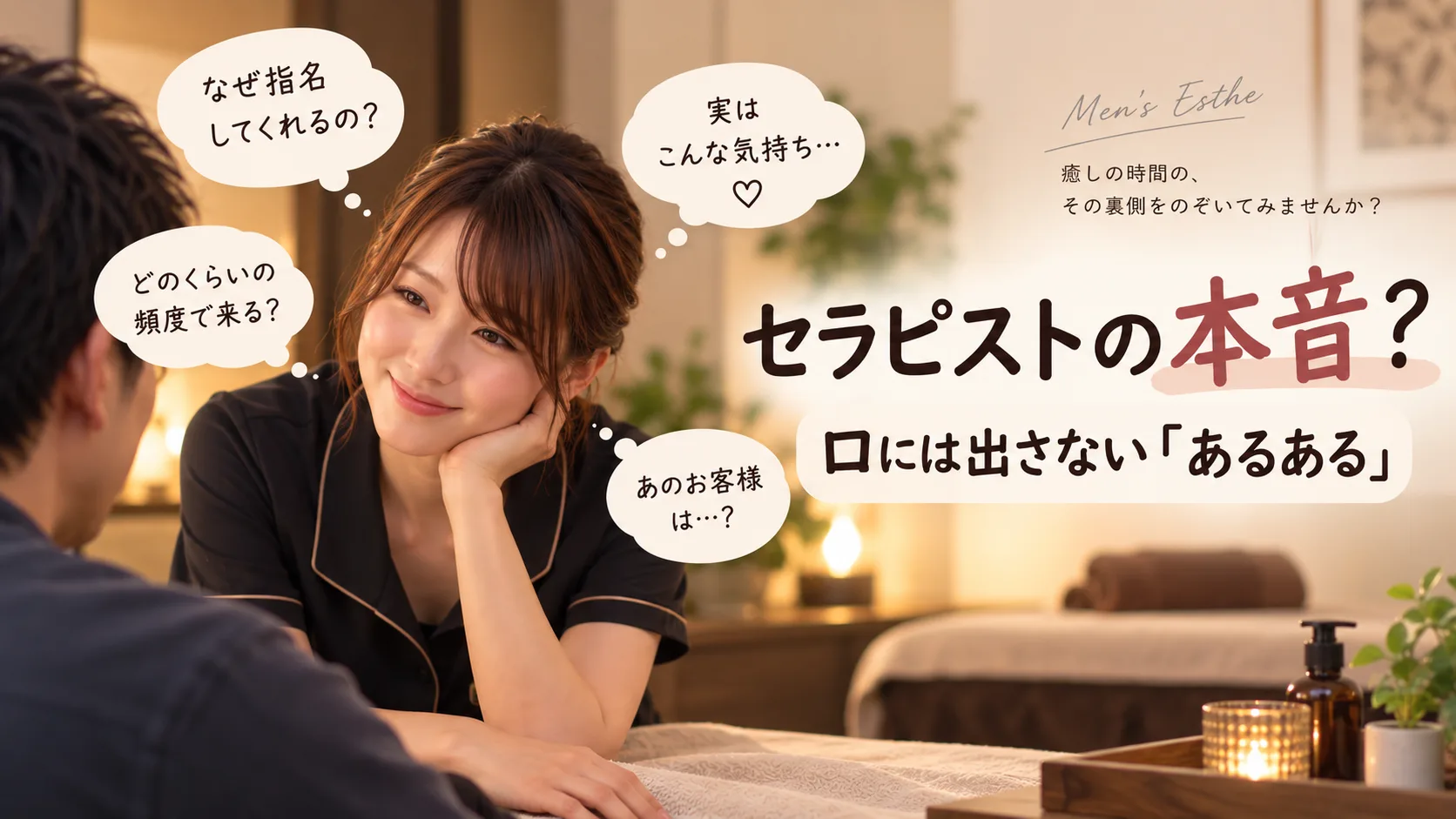
- What therapists really think? 5 things they don't say out loud
- Is it okay to give a therapist a gift at men's esthe?
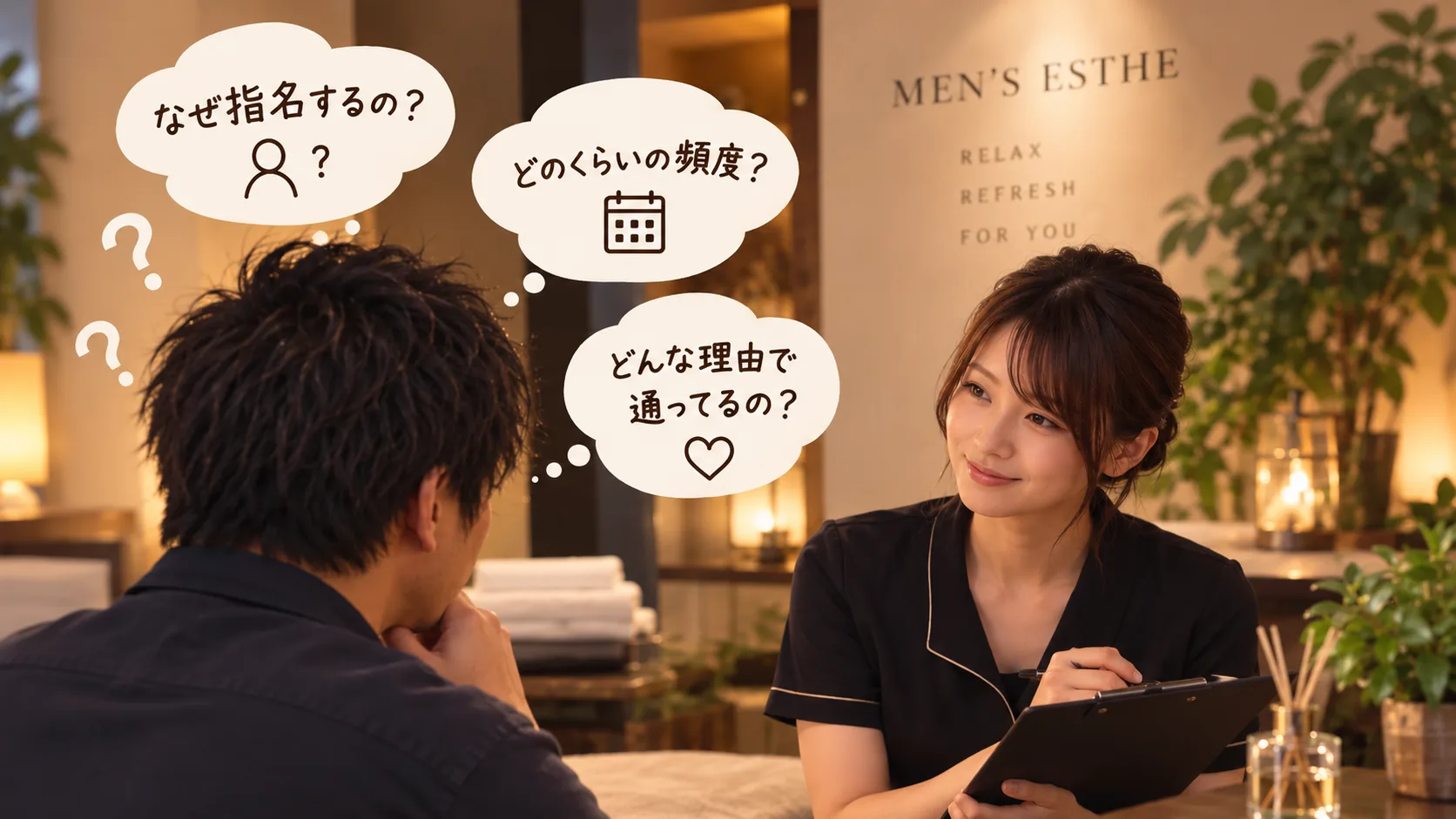
- Why do therapists ask "why did you book me?"
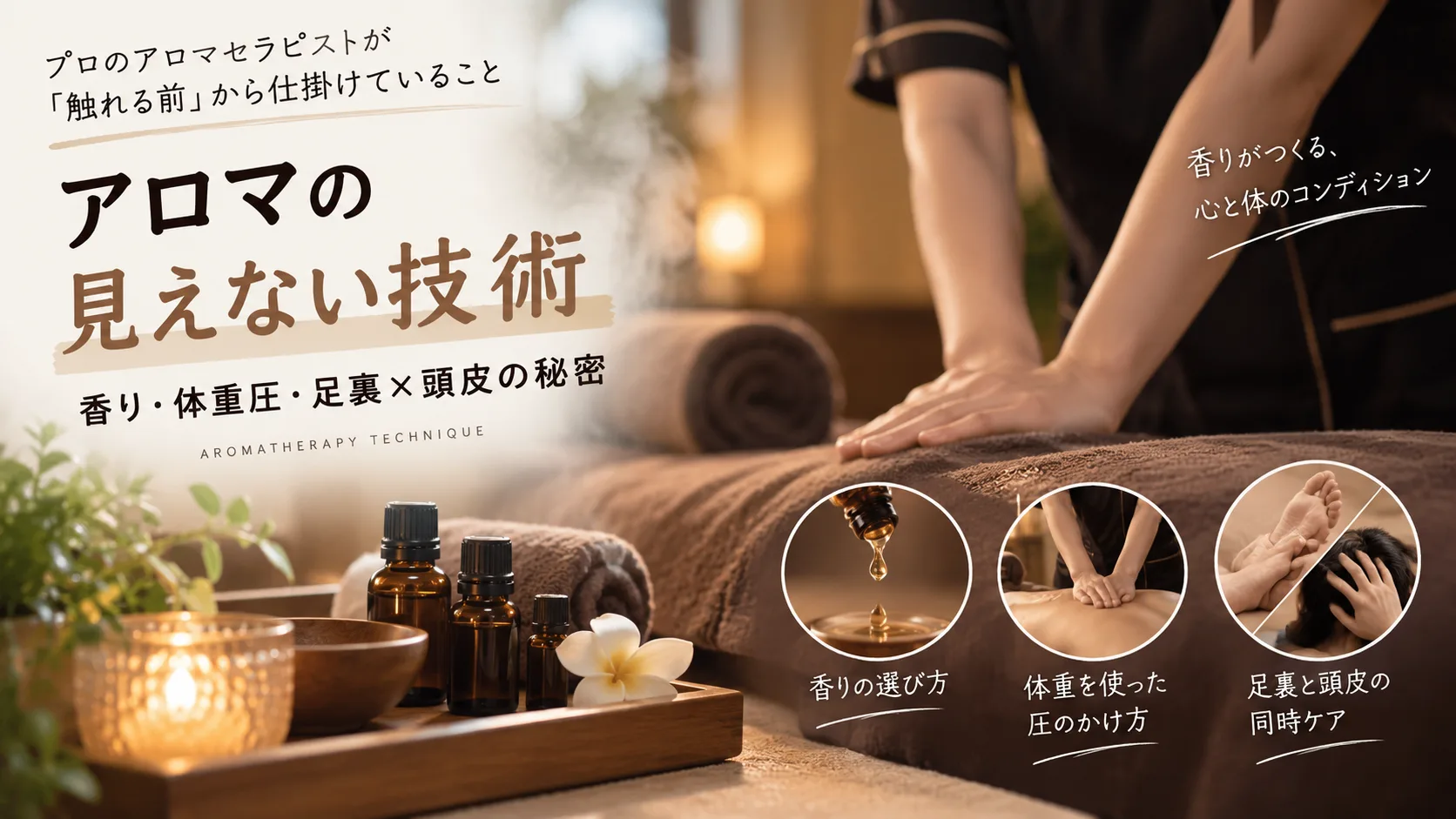
- What experienced aromatherapists do before they even touch you